
Joint Pain & Arthritis
Helping you move with less pain and more confidence
Expert Care at Dr. Barsoom Pain & Migraine Practice
For over 16 years, Dr. Barsoom has been assessing and treating patients with joint pain caused by osteoarthritis and other musculoskeletal conditions. Accurate diagnosis is the foundation of effective care. Dr. Barsoom focuses on identifying the specific type of arthritis or joint disorder you have so that treatment can be tailored to relieve pain, slow progression, and preserve function whenever possible.
Book a Consultation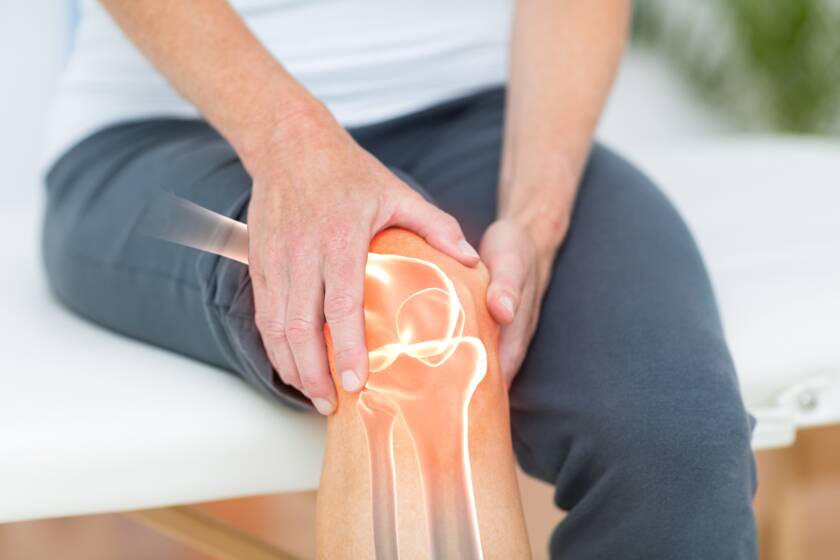
Appointments are available by referral from a physician or nurse practitioner.
Joint Pain Assessment Process
• Pre-visit questionnaires – focusing on symptoms, severity, and functional impact
• Consultation – detailed medical history and focused clinical examination
• Imaging review – if X-rays or MRI are available
• Personalized treatment plan
• Communication – a consultation letter is sent to the referring provider
The assessment fee is covered by OHIP.
Please note that some advanced injection therapies are not covered by OHIP. Private insurance may cover certain treatments.
Knee Osteoarthritis: The Most Common Cause of Joint Pain
Knee osteoarthritis (OA) is one of the most frequent causes of chronic joint pain seen at Dr. Barsoom Pain & Migraine Practice. Osteoarthritis is a degenerative joint disease often referred to as “wear-and-tear” arthritis. It occurs when the protective cartilage between the bones gradually breaks down. Click for additional information about nSTRIDE® APS,:
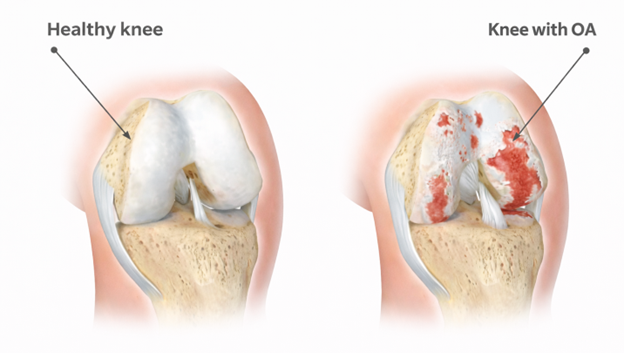
Healthy knee with smooth intact cartilage at the articular surface (left), compared with a knee with OA where the cartilage has begun to break down due to wear and tear (right).
OA commonly affects:
• Knees
• Hips
• Hands and fingers
• Ankles
• Spine
Among these, the knee joint is particularly vulnerable and can significantly impact mobility and quality of life.
Symptoms May Include:
• Pain with walking or activity
• Morning stiffness
• Swelling
• Reduced range of motion
• Difficulty climbing stairs
• Functional decline over time
Treatment Options for Knee and Joint Arthritis
Although there is no cure for osteoarthritis, symptoms can often be effectively managed.
Treatment may include:
Lifestyle & Conservative Management
• Weight optimization
• Strengthening exercises
• Bracing
• Physiotherapy
• Activity modification
Medications
• Dietary supplements
• Simple analgesics
• Anti-inflammatory medications
Injection Therapies Offered by Dr. Barsoom
• Corticosteroid injections
• Hyaluronic Acid (HA) injections
• Platelet-Rich Plasma (PRP)
• nSTRIDE® APS (Autologous Protein Solution) for selected knee osteoarthritis patients
What is PRP?
Platelet-Rich Plasma (PRP) uses a concentration of your own blood platelets to support tissue healing and reduce inflammation. PRP may be considered for:
• Knee osteoarthritis
• Tendon injuries
• Ligament injuries
• Certain chronic joint pain conditions
PRP is not covered by OHIP.
What is nSTRIDE® APS?
nSTRIDE® APS (Autologous Protein Solution) is an advanced, next-generation biologic treatment derived from your own blood. It is designed specifically for patients with knee osteoarthritis.
Unlike standard PRP, nSTRIDE® APS also concentrates anti-inflammatory proteins and anabolic growth factors that, along with the plasma proteins, help:
• Reduce inflammation inside the knee joint
• Improve pain levels
• Enhance joint function
Suitability for PRP or nSTRIDE® APS is determined during consultation after careful assessment.
Other Joints Commonly Treated
While knee osteoarthritis is the most common condition treated, Dr. Barsoom also evaluates and manages arthritis and joint pain affecting:
• Hips
• Ankles and feet
• Shoulders
• Hands and wrists
• Fingers
• Spine-related joint pain
Each joint requires a tailored treatment approach based on diagnosis and severity.
When Are Injections Considered?
Injection therapies may be recommended when:
• Pain persists despite physiotherapy and medication
• Function continues to decline
• Patients wish to delay joint replacement surgery
• Conservative measures are no longer sufficient
For additional information about osteoarthritis, visit:
Mayo Clinic – Osteoarthritis Resource